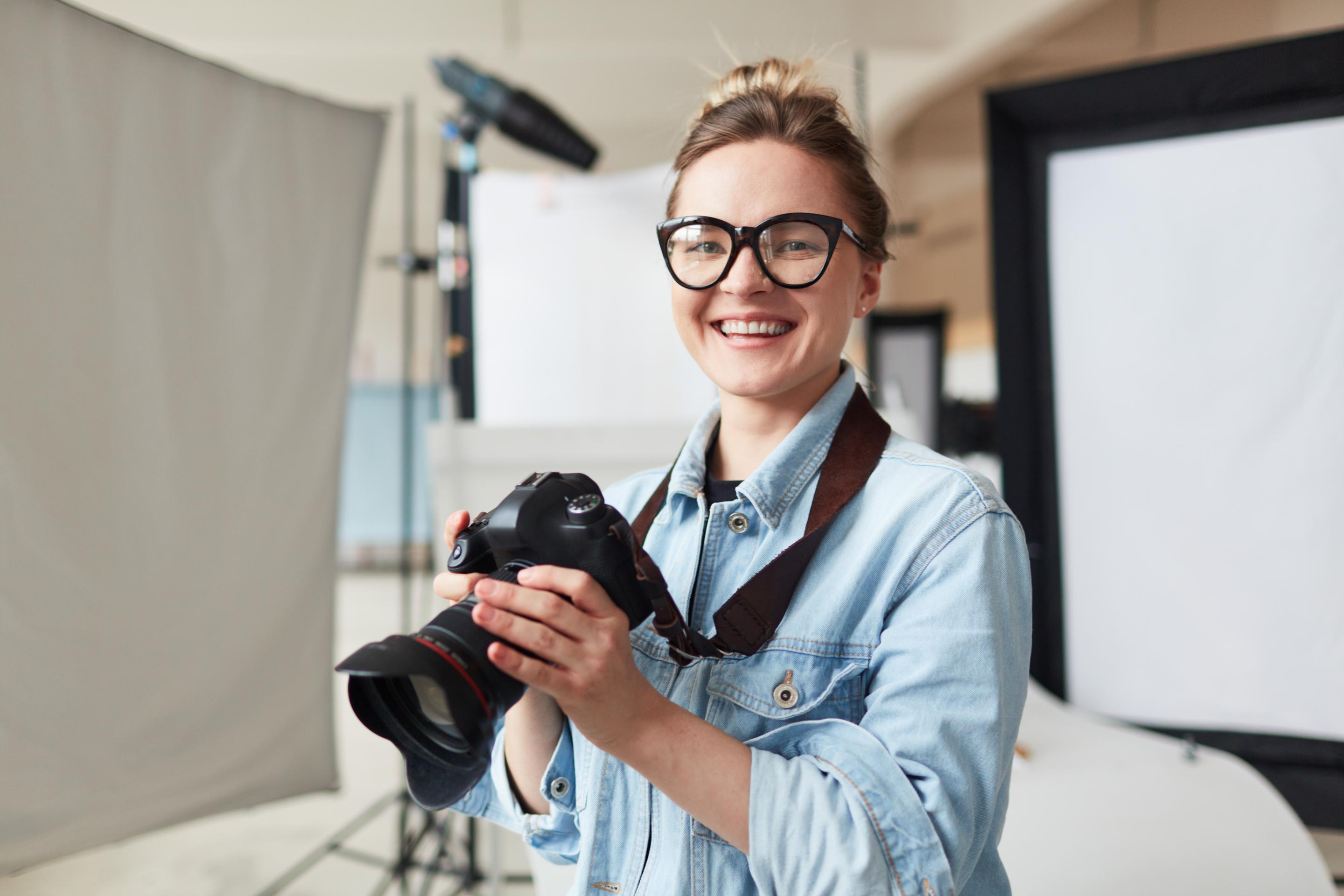
Photographer's Dress Code: Event, Outdoor and Studio
It's a question clients rarely think to ask until the day itself: what is the photographer actually going to turn up wearing? For a black-tie gala, a bright shirt and trainers can look genuinely out of place next to guests in formal wear, and it's a fair thing to want to get right before the day, not during it. The answer changes quite a bit depending on the setting, and a good photographer will usually adjust without being asked, but it's worth knowing what "appropriate" looks like across different types of shoots.
For a formal corporate event, a photographer should dress in smart, neutral clothing that matches or sits just slightly below the formality of the guests, typically a dark suit or equivalent, nothing branded or attention-grabbing. For outdoor shoots, practicality takes over: weatherproof, comfortable clothing in muted tones that won't reflect oddly in photos or distract subjects. In a studio setting, dress code matters far less since the photographer isn't visible in the final images, though most still keep it simple and non-distracting for the client's comfort.
Corporate and Formal Events: Blend In, Don't Stand Out
The golden rule for event photography is that the photographer shouldn't be the most memorable thing in the room, except through the images they produce. For a black-tie gala or formal conference, that usually means a dark suit, a plain shirt, and nothing with loud branding or logos. It's less about looking expensive and more about not drawing attention away from the event itself; a photographer in a bright pattern or casual trainers tends to stick out in a way that feels slightly unprofessional, even if the actual photography is excellent. Most experienced event photographers will ask about the dress code for the event itself before confirming what they'll wear, precisely to avoid this mismatch, and it's a reasonable question for a client to raise first if it isn't mentioned.
Practical Considerations Nobody Mentions
Formal clothing and physical movement don't always mix well, and a good event photographer needs to crouch, move quickly, and sometimes climb on a chair for a group shot without their outfit getting in the way. That's why many will opt for smart-casual alternatives that still read as professional, a well-fitted blazer over a simple top, or tailored trousers rather than a full suit, giving them the freedom to move while still looking appropriate standing still. Comfortable, quiet footwear matters more than people expect too; hard-soled shoes clicking across a marble floor during a quiet speech is a surprisingly common complaint from venues. Pockets matter as well, a jacket with enough room for spare memory cards and batteries saves a photographer having to carry a visible bag through a formal room.
Outdoor and Location Shoots: Function Over Formality
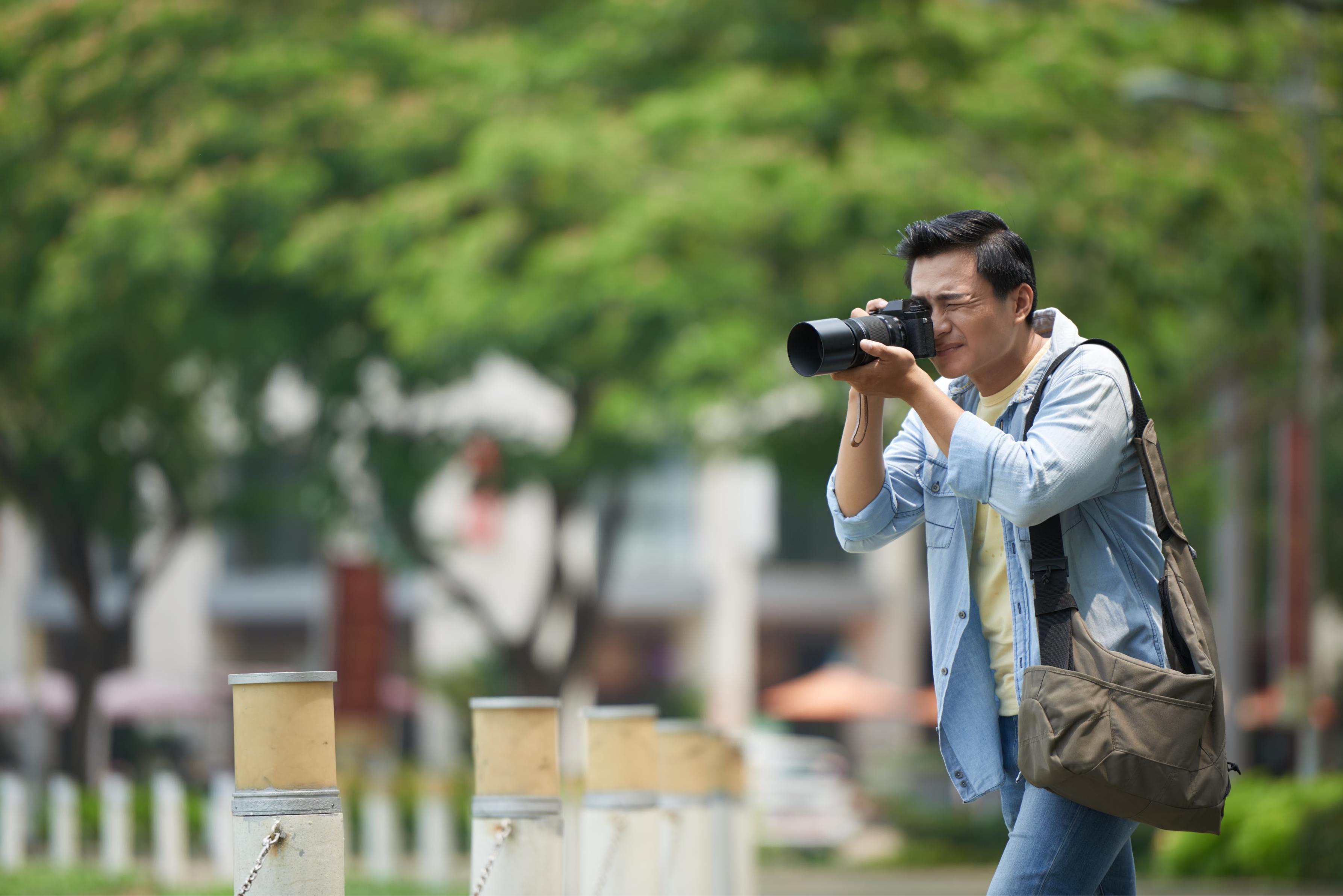
Outdoors, the priorities shift almost entirely toward practicality. Weather-appropriate layers, comfortable footwear suited to the terrain, and muted colours that won't reflect unwanted colour casts onto a subject's skin in close-up shots, a bright red jacket standing near a subject can genuinely tint the lighting in a portrait. Most outdoor photographers also avoid anything too bright or distracting in their own clothing, partly for the colour-cast reason, and partly because it can pull a subject's attention if they catch sight of it mid-shoot. A long outdoor session, a half-day product launch or an all-day wedding, also means dressing for several hours of standing and walking rather than just how the outfit looks in the first ten minutes.
Studio Sessions: Comfort Matters More Than Appearance
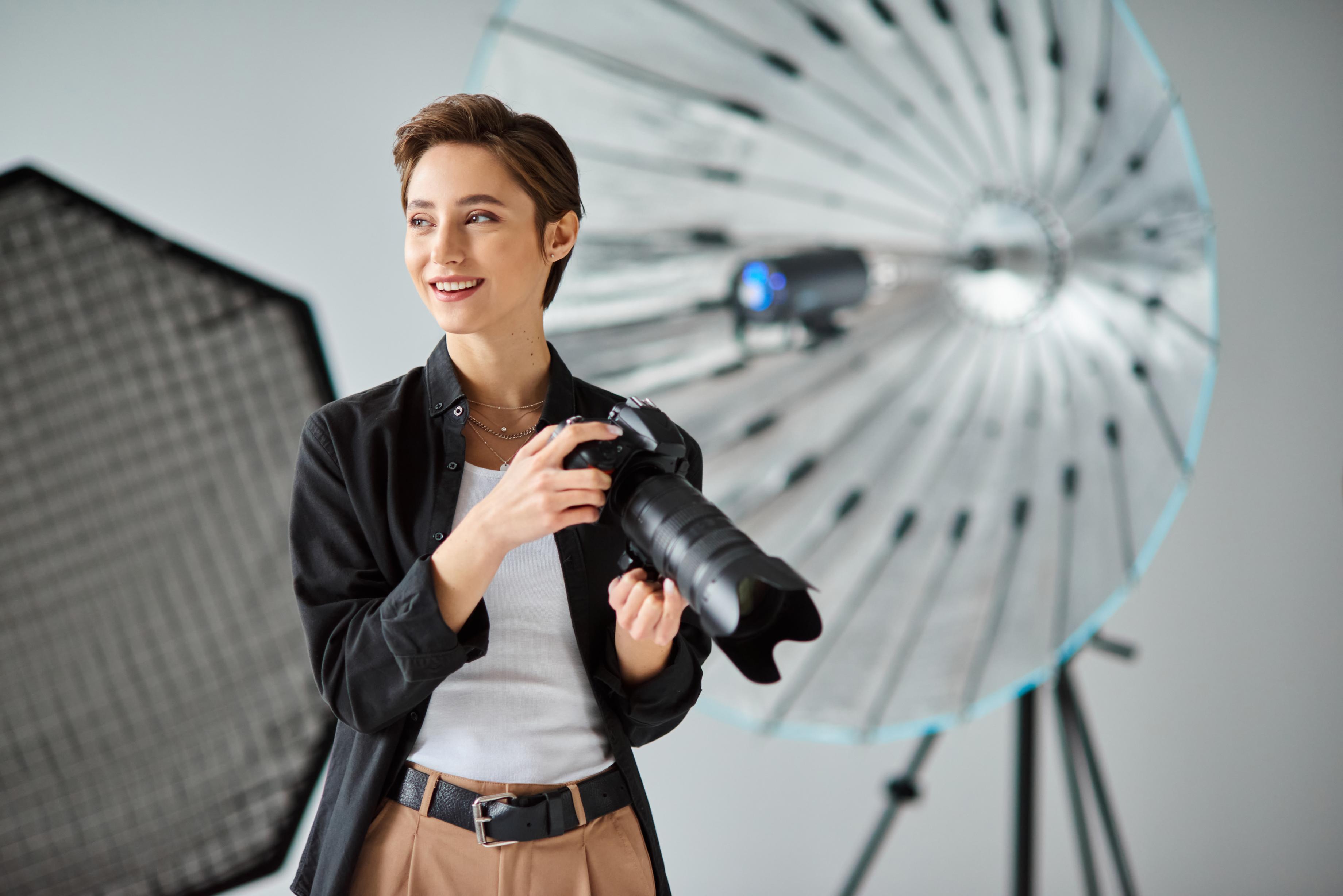
Since a studio photographer typically isn't visible in the final images at all, dress code is the least important of the three settings, more a question of personal comfort during long sessions that often involve a lot of standing, bending, and moving lighting equipment around. That said, most still keep things simple and tidy, partly out of habit, and partly because clients are physically in the same room and a scruffy appearance can still create a slightly off first impression before the shoot even begins. Dark clothing is still common here too, mainly because it avoids reflecting stray colour onto reflective studio surfaces or glass product shots.
Why This Actually Matters to Clients
It's easy to assume dress code is a minor detail, but for anything client-facing or image-conscious, a photographer who looks out of place can become a visible distraction at the exact event you're trying to document smoothly. If you're booking for a particularly formal event, red carpet premiere, black-tie dinner, executive press event, it's entirely reasonable to ask the photographer directly what they intend to wear, rather than assuming it'll be handled. Most professional photographers will welcome the question rather than find it intrusive, and it's one less thing to worry about on the day itself.
A Quick Checklist Before Booking a Formal Event
If the event is particularly formal, it's worth confirming three things with your photographer in advance: what they plan to wear, whether they have a change of footwear for comfort versus formality, and whether their equipment bag can be kept discreet rather than slung visibly across a formal outfit. None of this takes long to confirm, and it avoids any awkward surprises on the day for either side.
Frequently Asked Questions
Should I tell my photographer the dress code for my event in advance?
Yes, it's worth mentioning directly, particularly for formal or black-tie events. Most photographers will ask anyway, but flagging it early avoids any last-minute mismatch.
Do photographers wear all black to avoid being noticed?
Many do, particularly for formal events, since dark, neutral clothing tends to blend into the background of a room far more easily than lighter colours or patterns.
Does what a photographer wears affect the quality of their photos?
Not directly, but indirectly, yes. A photographer who's dressed inappropriately for the setting can become a visible distraction, and in outdoor portraits, bright clothing colours can genuinely affect the lighting on a subject's skin.
What should I wear if I'm having a studio headshot taken?
That's about you, not the photographer, solid colours tend to photograph more cleanly than busy patterns, and it's worth avoiding anything that clashes with the studio's backdrop colour.
Looking to book a photographer for your next event? Check coverage in your city or explore our corporate event photography services.